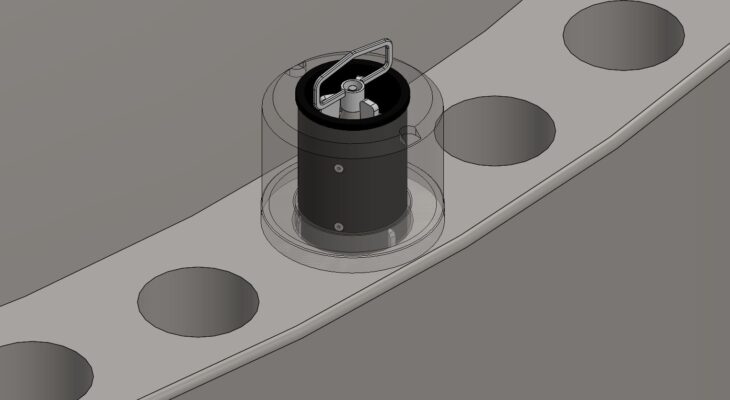
Anytime you can streamline a process during a nuclear outage is a win. It often leads to reduced critical path time and lower worker dose – both top priorities. This is exactly Preferred Engineering’s goal when we design new tools. The RPV Nut and Washer Centering Tool is one of those tools designed to support both reduced critical […]
Nuclear Power is on the Rise
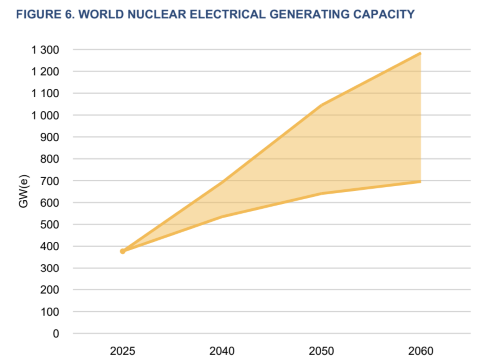
In a blog post last month, we talked about a pledge by the World Nuclear Association to support tripling global nuclear capacity. Just a few days ago, the International Atomic Energy Agency released a report discussing energy consumption and projections, including the graphic above. (Attribution: INTERNATIONAL ATOMIC ENERGY AGENCY, Energy, Electricity and Nuclear Power Estimates for the Period […]

A Simpler Approach to Reactor Cavity Sealing
The Preferred Engineering Cavity Seal System provides nuclear facilities with a practical solution for sealing the reactor annulus while simplifying installation and verification. The system uses segmented EPDM extrusions that are custom-made to fit your reactor annulus. Polished stainless-steel cover plates work with stainless-steel J-bolts and cam-actuated toggle nuts to compress each seal securely. Unlike systems that depend […]

Tripling Nuclear Capacity Requires Excellent Maintenance Solutions
Over the last couple of years, AI hyperscalers like Meta, Google, Amazon, and Microsoft have all been investing in both extending existing nuclear facilities and expanding new nuclear generation, presumably to support the data center growth that makes their businesses possible. Last year, a cross-industry group of large energy users (including Google, Amazon, and Meta) signed a pledge […]
Place ALARA Shielding Right Where You Need It
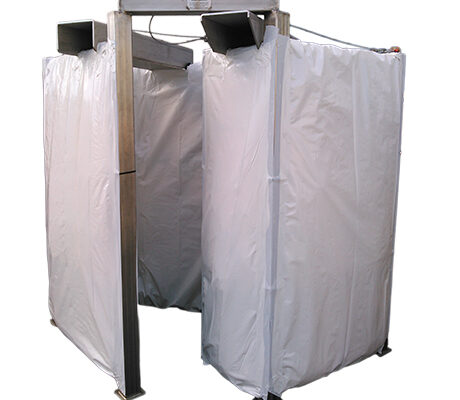
Preferred Engineering’s custom designed products are built, originally, for the needs of a specific customer. However, once they are designed, our customers find them useful in many other situations for many other nuclear facilities. One great example is the Portable Cavity Shield Frame, which was initially designed for a customer who needed to create an ALARA zone inside […]
Data Center Power Demand is Leading to Bottlenecks
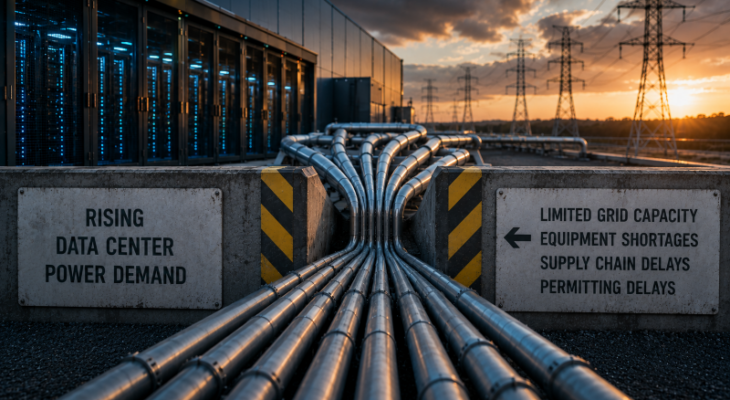
In this blog, we’ve been discussing the urgency behind power planning for data centers. The International Energy Agency’s (IEA’s) recent article confirms this urgency with their updated data. According to the IEA, electricity demand from data centers increased by 17% in 2025, while global electricity demand only grew by 3%. The agency also projects that total data center […]
How to Make Your RPV O-Ring Installation Easier
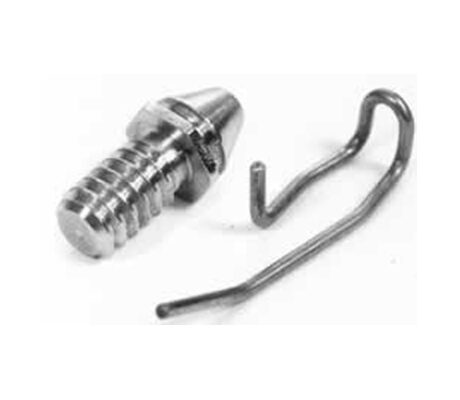
When every second counts, tools that speed up the job make all the difference. That’s the case with the RPV O-Ring Clips and Installation Tools. The RPV O-Ring Clips and Installation Tools speed up installation of the RPV O-rings into the RPV head. This not only saves time during tight outage schedules but reduces radiation exposure time for nuclear technicians. […]

Custom Nuclear Seals That Actually Hold, with No RTV
We talk a lot about custom engineered solutions here at Preferred Engineering. That’s because we know that every nuclear facility has its own unique needs, requirements, safety concerns, and bottlenecks. What works perfectly for one facility won’t be the same for any other. So, while every facility may need an inspection hatch seal, for example, the exact requirements […]

Gear up for Data Center Onsite Power Generation
The data couldn’t be clearer in Bloom Energy’s second annual Data Center Power Report; data centers are gearing up to rely on their own onsite power sources at a rapid rate. While we may want to take their findings with a grain of salt (Bloom Energy is a Fuel Cell company, after all), we can’t deny that their […]

Outstanding Safety in a Lightweight Package
What can you do when you need a safety railing where there isn’t one built into your nuclear facility? It’s not always the best option (or even possible) to attach a permanent structure. That’s where Preferred Engineering’s Lightweight Railings come in. We know that OSHA standards require a standard of safety, but even more than standards, we want […]