Parts of the United States have experienced and continue to experience unusually cold temperatures over the last two weeks. In these circumstances, plant operators are usually forced to shut windows and doors in their boiler rooms to keep the cold air out and prevent water lines from freezing. But boilers need to breathe too. Bottling up a boiler […]

Emissions Reduction Strategy at Leading University
Made in the U.S.A. to meet aggressive emissions reduction and sustainability goals with ENSYN Renewable Fuel Oil (RFO, made from sustainably sourced wood waste), this prominent New England university chose Preferred’s burner, and combustion controls design solution for this one of three (two in the future) boiler upgrades. Pictured below is a fuel skid for RFO. The Preferred Ranger API-RF burner, mounted […]
60 Years later Preferred Rotary Tech Performs
These twin 1960 Preferred Utilities Rotary cup, forced draft burners, have been meticulously maintained and retrofitted over the years to provide over 60 years of continuous service to this NYC school location. We love partnering with facilities that take such pride in their boiler room, their equipment, and preventative maintenance. After serving as their combustion engineering and technical […]
New England University pursues Sustainability goals with Preferred strategy
To meet aggressive Emissions Reduction and Sustainability goals with Renewable Fuel Oil (RFO), this New England university chose a Preferred burner and combustion controls for it’s (1) of (3) boiler upgrades. One of the pictures below shows a fuel skid for RFO testing. The Ranger API-RF burner installed here has a 3-fuel setup, involving natural gas with 9ppm NOx, Oil with 90ppm […]
Pressure Atomization Solutions in NYC Schools & beyond
For the last 100 years, Preferred has been dedicated to boiler room solutions. In modern times, that has included advancements in sustainability and efficiency, for a better, cleaner future in energy creation. The addition of pressure atomization to our API-AF burners eliminates the need for air compressors and atomizing air piping, while decreasing footprint, equipment cost, electric cost […]
Quality, Durability, and Performance Still Matter—A Look at Stapleton Houses Part 2
In 2015, Preferred installed a low NOx, high efficiency API- AF burner in the Stapleton Housing system. This burner was the first that we know of to comply with the New York City Local Law 87 which requires drastic carbon footprint reduction on buildings over 50,000 gross square feet. LL87 aims to achieve a detailed breakdown of energy […]
Sixty year old Preferred burners upgraded in NYC Schools
Preferred is making New York City Schools compliant with Local Law 87 and providing a sustainable future with emission reduction and high efficiency improvements that can be made on the current burner without expensive upgrades or future installations. We offer solutions with peace-of-mind that our facilities will always be able to comply with new and evolving environmental regulations […]
The Galaxy Burner: Get sub 5 ppm NOx, less waste
Made in the U.S.A., the Preferred GALAXY Burner features unmatched performance in its category by reducing up to 60% electric consumption and featuring dual fuel capability, switching between gas and oil firing in less than 3 minutes. In addition, get Sub 5 ppm NOx, 6:1 Turndown, No FGR, < 8.5% O2, and No air filters or fiber metal […]
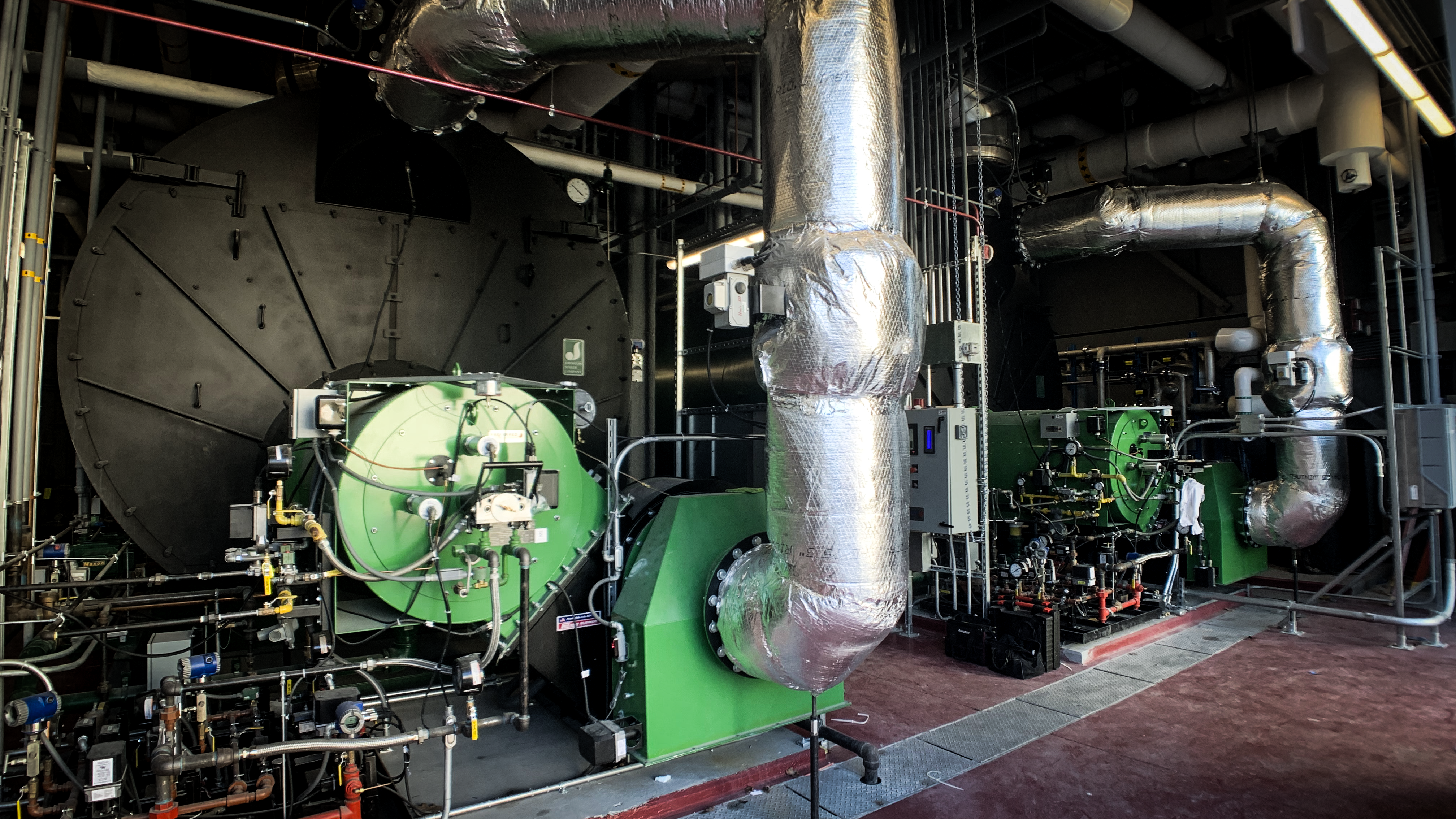
Combustion Air Requirements in the Boiler Room
Let Your Equipment Breath! Successful, efficient combustion requires three items: heat, fuel, and air. When designing a boiler room, the supply air needed can easily be overlooked. Boiler room supply air is the proper amount of air required for equipment to operate most effectively, including ventilation air. Without adequate air supply sizing, boiler room equipment can become inefficient, and […]
Pressure Atomized API-AF Burners
Pressure atomization depends on the oil pressure inside the nozzle tip to spray a fine mist of oil, very similar to a Windex spray bottle. The micronized oil droplets are flung into the burner head, where they are thoroughly mixed with the combustion air and ignited. As mentioned above, the pressure at the oil nozzle is the key […]